
Am I covered for this?
This is usually a two-minute question if your declarations page is in front of us. A handful of situations come up over and over, though, and the answers catch people off guard.
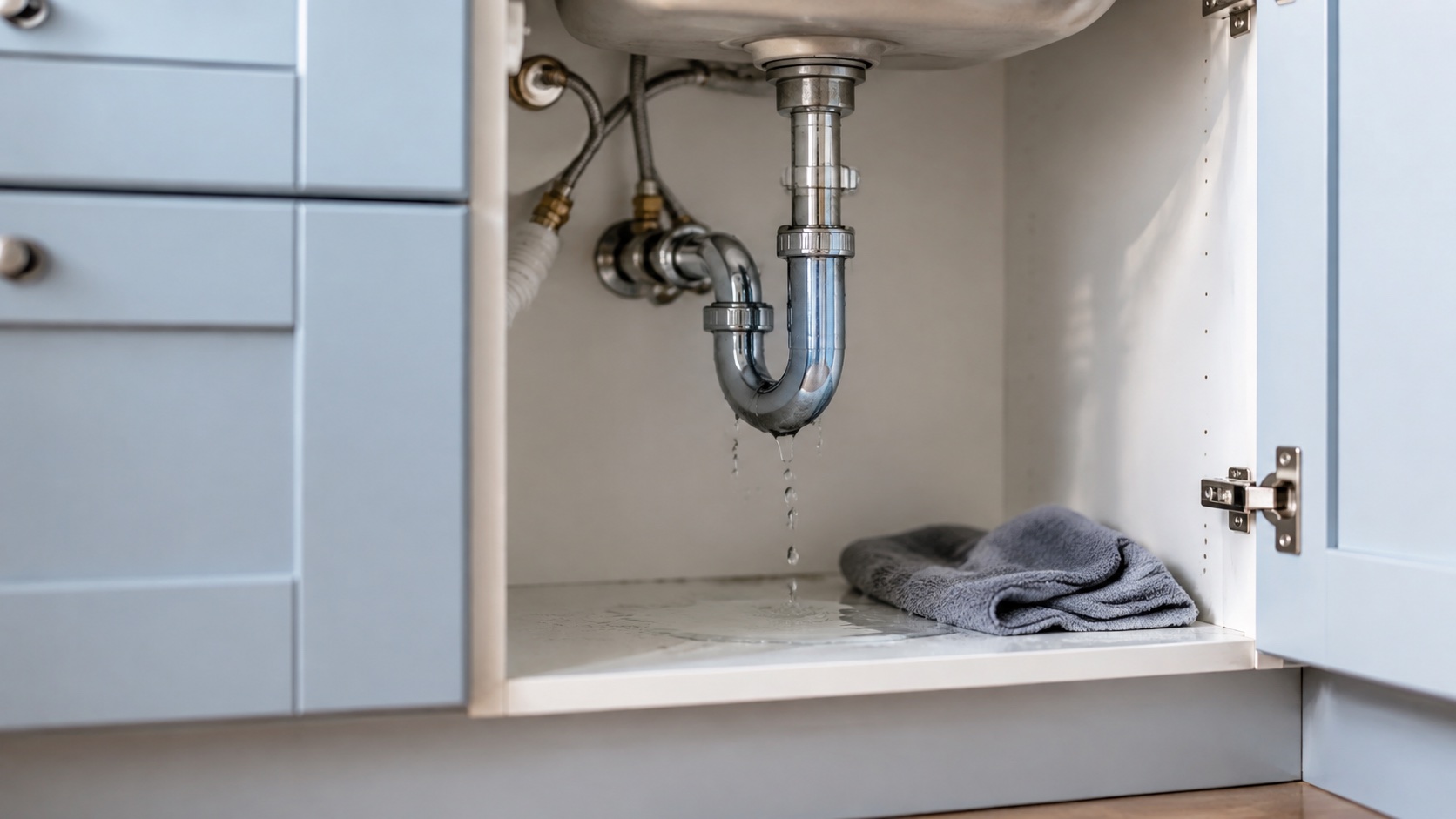
Water is the one that surprises people most
To you, water in the house is water in the house. To an insurance company it's three completely different things:
- Sudden and accidental. A pipe bursts, a water heater lets go, a supply line under the sink fails. This is generally covered.
- Gradual. A slow leak behind a wall that's been going for months. This is generally not covered, on the theory that it's maintenance rather than an accident. This is where most water disputes come from.
- Water from outside. Rising water, flash flooding, water coming in at ground level. This is excluded from every standard homeowners policy and needs a separate flood policy.
Your roof, and how it gets paid
Two policies can both say your roof is covered and pay very differently. One pays what a new roof costs. The other pays what your old roof was worth, meaning a twenty-year-old roof depreciated over its remaining life, which can be a fraction of the replacement cost.
In Arizona, where sun and hail age roofs faster than the brochure suggests, this is the single most expensive difference between two policies that look similar on price. It's worth knowing which one you have before you need it, not after.
The teen who isn't on the policy yet
A licensed driver living in your household generally needs to be on the policy, and the honest reason to add them isn't the rule — it's that a claim involving an undisclosed household driver is exactly the kind of thing an insurance company will look at hard.
Adding a teen is expensive. Finding out they weren't covered is worse.
The rental car
Your auto policy usually extends to a rental car in the US, at your own limits. Which means a rental car is covered about as well as your own car is. If you carry liability only, the rental is liability only, and you're responsible for damage to the rental itself.
The counter desk will offer you coverage. Sometimes you already have it. Sometimes you don't. It's worth a two-minute check before the trip rather than a decision made at a counter at 6 a.m.
Something stolen from the garage
Personal property is generally covered wherever it is, including out of a vehicle, but subject to your deductible, and some categories have their own internal limits regardless of your overall coverage. Jewelry, firearms, tools and cash are the common ones. A policy with $150,000 of personal property coverage may still cap jewelry at a couple of thousand dollars unless it's specifically scheduled.
Why "covered" is usually the wrong question
Most of the time the answer isn't yes or no. It's yes, up to this much, minus this deductible, unless this applies. The useful question is what you'd actually receive, and that's readable off your policy in a few minutes.
If you're wondering about a specific situation, send me the declarations page and ask. I'd rather tell you now than have you find out during a claim.