
Is this online quote too good to be true?
Three things could be going on, and the price alone won't tell you which.
One: it's real
Sometimes it's just a good deal. Insurance companies want different things at different times, and one of them may genuinely want your household right now more than your current company does. This happens often enough that treating every low quote as a trick is its own mistake.
If it's real, you should take it. I've told people to take a quote I couldn't beat.
Two: discounts that won't survive
Some quotes are built on credits that apply at the start and quietly come off later:
- A new-customer or shopping discount that applies to the first term only
- Paid-in-full or paperless credits assumed in the quote but not in how you'll actually pay
- Telematics discounts applied upfront, where your rate is set by how you actually drive and can go up at renewal
- Bundling credits based on a second policy you haven't moved yet
None of this is dishonest. It just means the number you're looking at is an introductory price, and the second-term price is the real one. Ask what the renewal looks like without the first-term credits.
Three: it's a smaller policy
This is the one worth reading for. A cheaper policy is often cheaper because there's less of it. The usual places:
- Liability limits dropped to state minimum
- Uninsured motorist reduced or removed. It's optional in Arizona, so it's an easy thing to quietly leave out
- Roof settlement changed from replacement cost to actual cash value. This one change can move a home premium a lot, and it's the most expensive difference you can't see on a price sheet
- Deductibles raised, especially a separate percentage-based wind and hail deductible
- Rental reimbursement, towing, or glass coverage removed
- On home: personal property written at actual cash value rather than replacement cost
How to actually compare
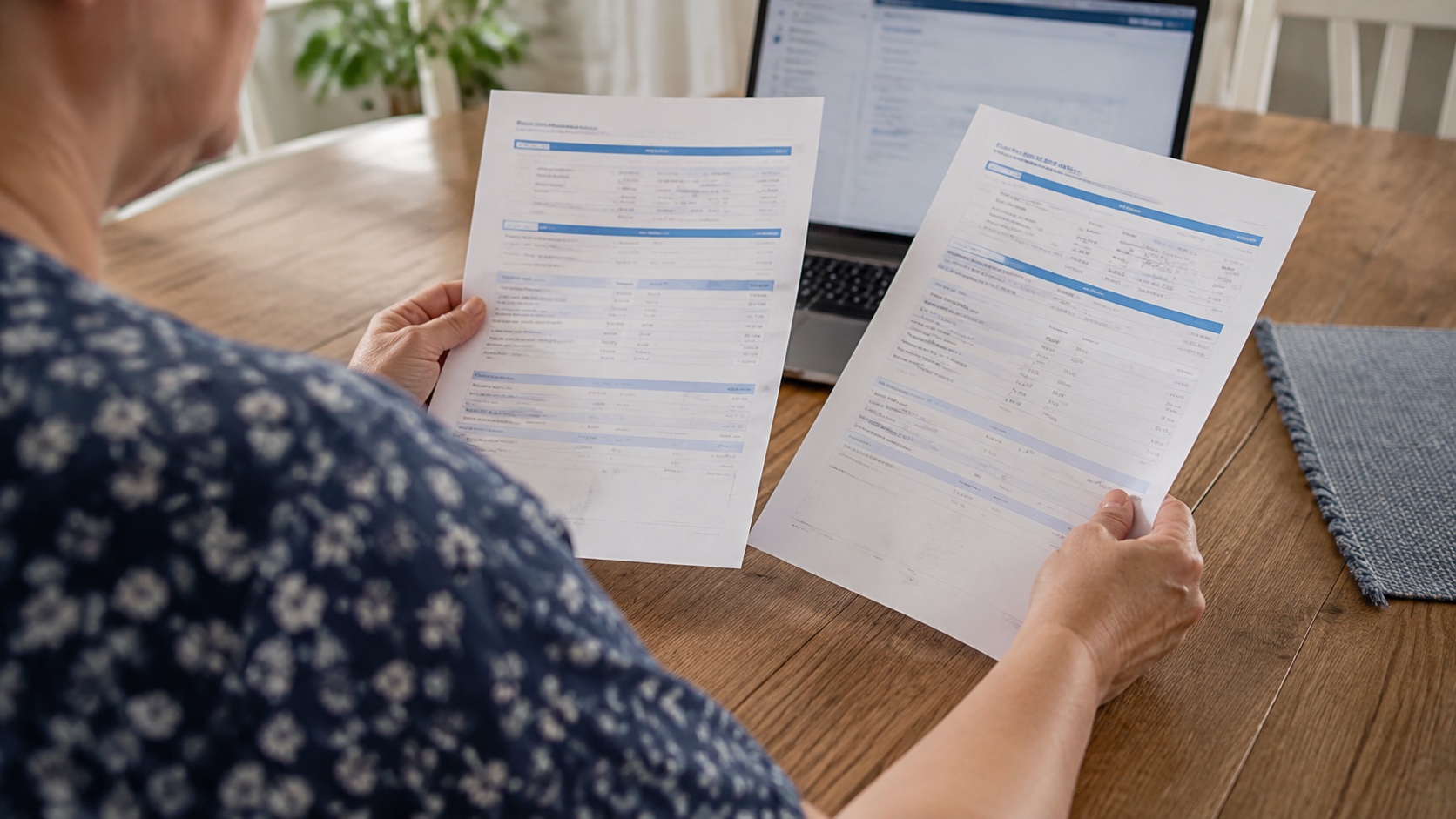
Put the new quote next to your current declarations page and read them coverage by coverage, not total by total. Liability against liability, deductible against deductible, roof settlement against roof settlement.
If the coverage genuinely matches and the price is lower, that's a real saving and you should take it. If the coverage doesn't match, you're not comparing two prices for the same thing. You're comparing two different things that happen to both be called insurance.
The other question worth asking
Who handles it when something goes wrong? Some of the cheapest policies are cheap partly because service is a phone tree. That may be a fine trade for you. It's just worth knowing it's part of the price.
If you've got a quote in hand and want to know which of the three it is, send it over with your current declarations page. I'll read them side by side and tell you what I find, including if the answer is that you should take it.