
Not All Water Damage Is the Same
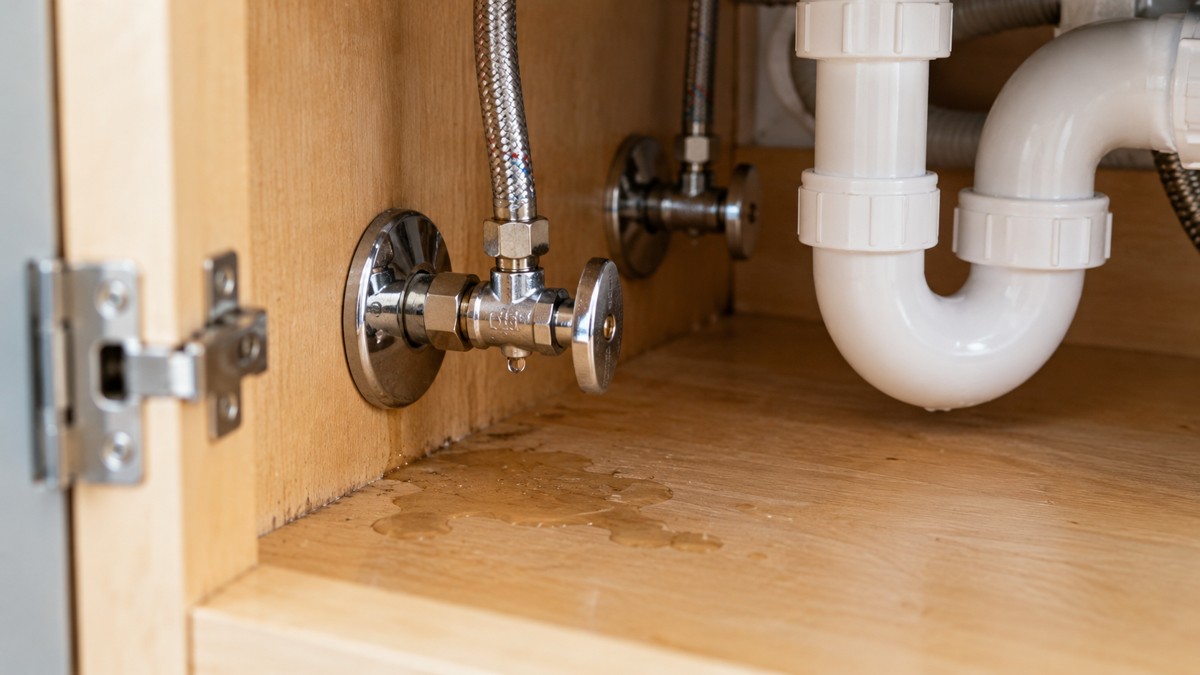
A burst supply line and a leak hiding behind a wall for months can leave the same mess. Your homeowners policy may treat them very differently.
Coverage turns on the source of the water, how the damage developed, and your policy wording.
A sudden leak
Imagine a supply line breaks and water spills across the kitchen floor. Damage from a sudden, accidental release of water is often covered by homeowners insurance, subject to the policy’s terms and deductible. Travelers explains the general distinction in its guide to burst pipes.
Also separate the damage from the thing that failed. A policy may cover resulting damage to the floor without paying to replace a worn-out appliance. Travelers gives that example in its water-damage coverage questions.
A slow leak you couldn’t see
Now imagine a connection has been dripping inside a wall. You discover it only when damage becomes visible. Discovering the problem suddenly doesn’t necessarily mean the water damage happened suddenly.
Long-term leakage can face exclusions under a base policy. Some policies address hidden leaks through additional coverage or an exception in the wording. For example, American Family describes an optional hidden-water-damage coverage for certain leaks that cannot be seen within walls, floors, or behind appliances.
The details matter: the source of the leak, where it was concealed, whether it was unknown, the coverage limit, and the deductible. Mold may have separate limits. Availability varies by policy and state. The example does not establish what your own policy covers.
“Water coverage” can mean different things
Water backing up through a drain is another coverage question. The Hanover explains that water backup generally requires an endorsement. Flooding is a separate issue too; standard homeowners insurance generally excludes flood damage, as Travelers notes in its water-damage exclusions overview.
Having one kind of water protection doesn’t tell you that you have all the others.
Four questions worth asking now
- Does my policy address hidden, unknown leaks that continue over time?
- Is that protection included in the policy wording, or added by an endorsement?
- What limits, deductible, exclusions, or conditions apply, including to mold?
- How does it differ from my water-backup coverage and any flood policy?
Ask for the relevant policy language, not just a yes or no. A coverage name on a summary page is a starting point.
If you find a leak
Stop the water if you can do so safely. Stay clear of wet electrical equipment and get a plumber or restoration professional involved as needed. Photograph the damage, note when you discovered it, and keep receipts for emergency work. Take reasonable steps to prevent further damage; don’t wait for a coverage decision to address an active leak. The Insurance Information Institute explains these documentation and loss-protection responsibilities.
Then talk with your agent about the situation and whether filing a claim makes sense. Review the likely cause, potential coverage, deductible, applicable limits, and estimated repair cost. A repair bill below the deductible may leave no insurance payment. Travelers outlines those considerations in its guide to deciding whether to file a claim.
Describe what you know; don’t guess how long the leak has been there. Ask your agent about the policy’s notice requirements and next steps. If you decide to file, notify the insurer promptly. The conversation with your agent should not delay any notice your policy requires.
For a review before anything happens, ask Cam to check the water-damage wording in your policy.
This article provides general information. Coverage depends on the policy, endorsements, limits, deductibles, exclusions, and facts of the loss. The insurer determines coverage under the applicable contract.
← All articles